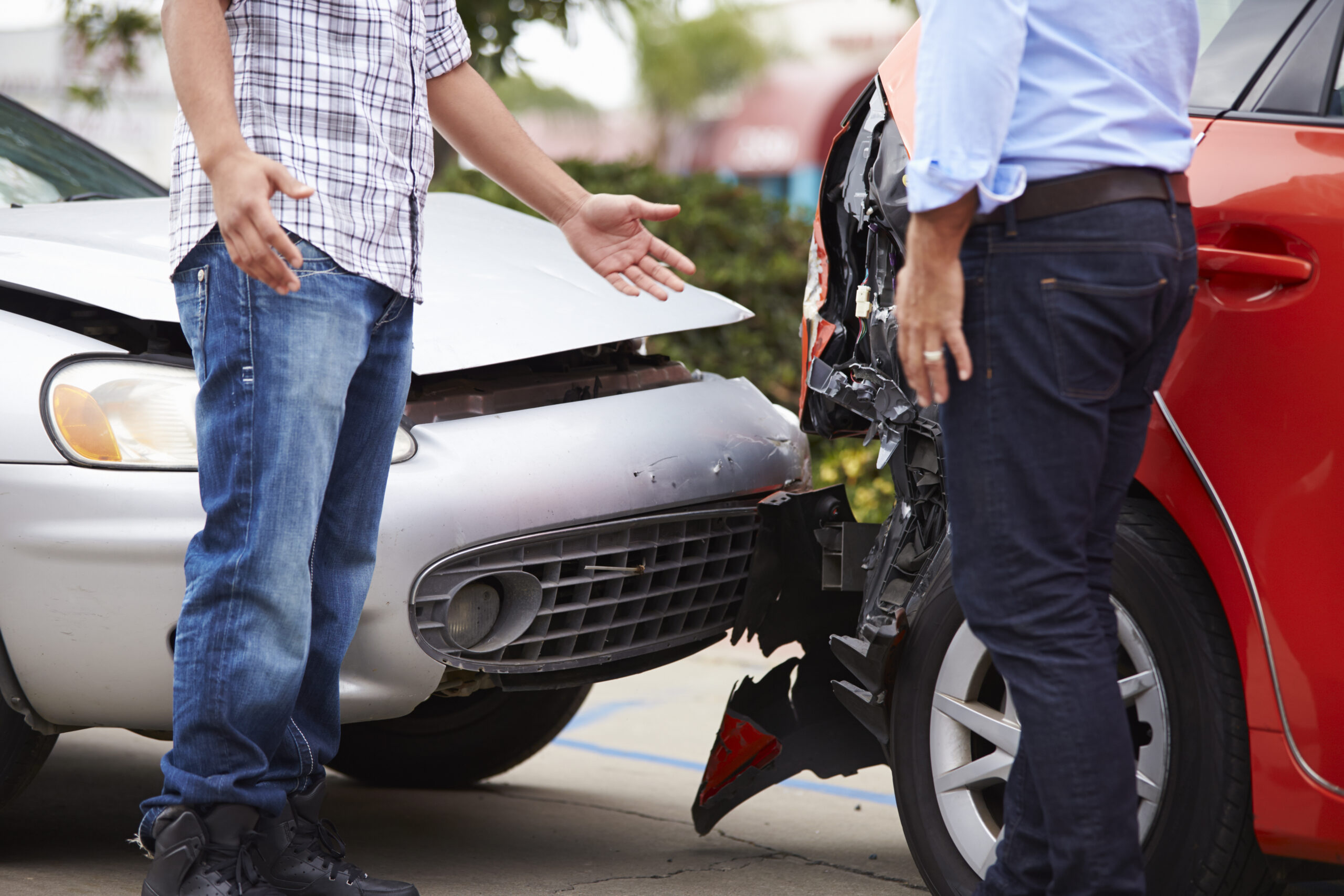



What Happens If You Are Injured by an Uninsured Driver in Virginia?
Being involved in an uninsured driver accident in Roanoke, Virginia can leave you feeling uncertain about how your medical bills, lost wages, and vehicle repairs will be paid for. While most drivers carry insurance, some do not, and Virginia law provides certain protections for people injured in these situations.
Even when the other driver has no insurance, you may still have options for seeking accident compensation. Understanding how uninsured motorist coverage works and what steps to take after an accident can help you protect your rights and make informed decisions about your claim.
Understanding Virginia’s Insurance Requirements
Virginia requires most drivers to carry liability insurance that meets state minimums. As of January 1, 2025, those minimums increased to $50,000 in bodily injury coverage per person, $100,000 per accident, and $25,000 for property damage.
An uninsured driver is generally someone operating a vehicle without the required liability insurance. However, Virginia law also recognizes certain other circumstances involving uninsured motorist claims, including situations where insurance coverage is denied or the responsible driver cannot be identified. Virginia previously allowed drivers to pay an annual uninsured motor vehicle fee instead of purchasing insurance, but this option was eliminated on July 1, 2024.
What Happens After an Uninsured Driver Accident
Immediately after a crash, your safety and documentation matter most. Move to a safe location if possible, call the police to file an official report, and seek medical attention even if your injuries seem minor. Many injuries, such as soft tissue damage or concussions, are not immediately obvious.
Exchange information with the other driver, but do not assume their insurance information is valid until it is verified. Take photographs of the scene, vehicle damage, and any visible injuries. Notify your own insurance company promptly, since many policies require timely reporting to preserve your right to coverage. This documentation becomes essential when pursuing a personal injury claim, whether through your insurer or through legal action.
Your Coverage Options: Uninsured Motorist Coverage
Uninsured motorist coverage is designed to provide protection when an at-fault driver has no applicable liability insurance. Under Virginia law, automobile liability policies generally must include uninsured motorist coverage. Depending on the circumstances and available policy limits, this coverage may help compensate injured individuals for medical expenses, lost wages, and other losses resulting from the accident.
Underinsured motorist coverage, by contrast, applies when the at-fault driver has some insurance, but their policy limits are not enough to fully cover your damages. Both types of coverage work similarly, but they apply to different situations depending on whether the other driver had any insurance at all.
Your coverage limits can affect how much accident compensation may be available to you. If your coverage is insufficient, health insurance may help pay certain medical expenses, while other available insurance policies or legal options may provide additional avenues for recovering losses.
Pursuing Your Personal Injury Claim
Filing a personal injury claim after an uninsured driver accident typically begins with notifying your own insurance company about your uninsured motorist coverage. The insurer may investigate the accident, review your damages, and evaluate the compensation available under your policy.
If a settlement cannot be reached, pursuing compensation may require filing a lawsuit against the uninsured driver and providing the appropriate legal notice to the insurance company.
Many families choose to work with a personal injury attorney who understands how Virginia insurance law applies to these claims and can communicate directly with the insurance company on your behalf. An attorney can also help calculate the full value of your claim, including future medical needs that may not be obvious right away.
The timeline for resolution varies depending on the complexity of your injuries and the insurance company’s responsiveness, but having proper documentation from the start generally helps move the process along more efficiently.
Challenges When Filing an Uninsured Motorist Claim
Uninsured driver cases often come with unique challenges. Insurance companies may dispute the extent of your injuries, question whether your damages are directly related to the accident, or offer a settlement that does not fully reflect your losses. Because you are essentially negotiating with your own insurer, it can feel different than a typical injury claim against another party.
Seeking legal representation early can help you understand what to expect and avoid common pitfalls that may delay or reduce your compensation.
Moving Forward After an Uninsured Driver Accident
After an accident involving an uninsured driver, reviewing your insurance coverage and understanding your options for pursuing a personal injury claim can help you determine what steps to take next. Virginia’s insurance laws are designed to offer some protection, but navigating uninsured motorist coverage on your own can be confusing, especially while you are focused on recovery.
If you were injured by an uninsured driver, we can help you understand your options. Contact Strickland, Diviney & Segura at (540) 982-7787 to schedule a confidential consultation.