


5 Common Causes of Pool Accidents in Virginia and Who May Be Liable
Swimming pools offer a welcome escape during the warm summer months across Virginia. However, when property owners fail to prioritize safety, a relaxing afternoon can quickly result in a need for a Virginia pool accident lawyer. We understand that a sudden swimming pool injury brings overwhelming stress to victims and their families. Our goal is to provide clear and practical information regarding pool safety and the legal options available to you.
1. Inadequate Supervision and Lack of Lifeguards
A primary factor in many aquatic emergencies is the absence of proper supervision. Public pools, hotels, and community centers have a responsibility to monitor the water adequately. When a facility fails to provide trained lifeguards or when staff members are distracted, the risk of a severe pool drowning accident increases significantly. In these situations, the property manager or operating company may be responsible for failing to maintain a safe environment. A premises liability claim often focuses on whether the facility took reasonable steps to protect guests and respond to emergencies.
2. Missing Fences and Broken Gates
Unrestricted access to a swimming area poses a serious danger, particularly for young children who might wander near the water unnoticed. Virginia building codes and local ordinances require specific safety barriers, including locked gates and adequately high fences, to help prevent unauthorized entry. Property owners, including private homeowners and apartment complexes, must ensure these barriers remain secure and fully functional. If a child suffers a swimming pool injury because a lock was broken or a fence was missing, the property owner may be held liable for the resulting harm.
3. Defective Pool Equipment and Poor Design
Faulty pool components can create hidden hazards that guests may not recognize until it is too late. Broken ladders, malfunctioning diving boards, and improperly secured drain covers can all cause devastating injuries. Defective drain covers, in particular, can create powerful suction that traps swimmers underwater and leads to a catastrophic pool drowning accident. Liability in these cases may involve multiple parties. Responsibility could fall on the property owner for failing to inspect the equipment, the maintenance company for improper installation, or the manufacturer for distributing a defective product.
4. Slippery Pool Decks and Inadequate Maintenance
The area surrounding the pool must also remain reasonably safe for visitors. While some water accumulation is expected near a pool, excessive puddles, algae buildup, or damaged surfaces can create dangerous slip hazards. Property managers should conduct regular maintenance, apply anti-slip treatments when necessary, and repair cracked concrete promptly. Poor water quality management can also lead to chemical burns or serious infections. If a hotel or community pool neglects routine maintenance and a guest suffers a serious injury in a fall, the victim may have grounds for a premises liability claim.
5. Missing Safety Equipment and Inadequate Signage
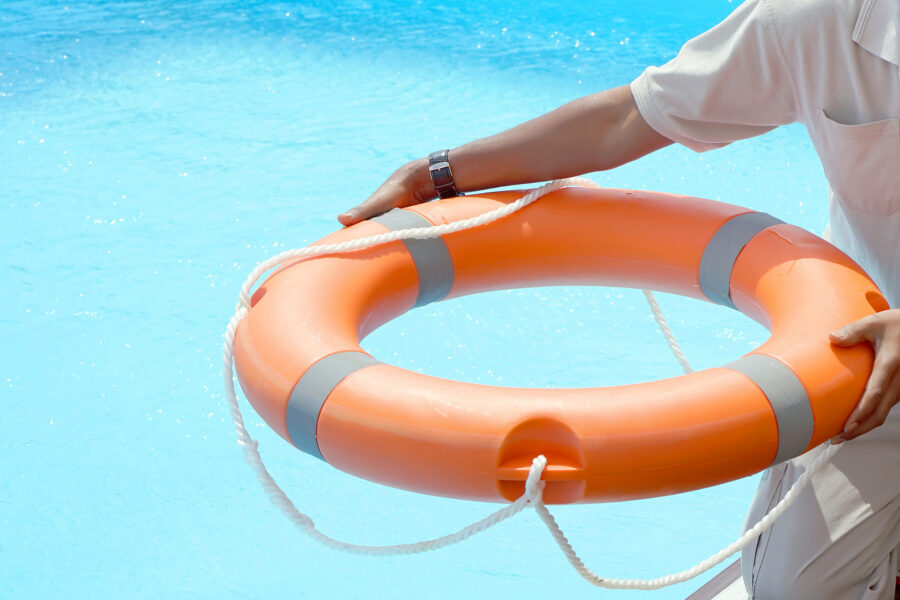
Facilities should provide clear warnings and accessible rescue equipment to help protect swimmers. Visible depth markers and signs warning against diving in shallow water are important for preventing spinal cord and head injuries. Public pools should also keep life rings and reaching poles readily available during emergencies. When facility operators fail to provide basic safety equipment or post adequate warnings, guests may face unnecessary risks. These types of safety failures can leave swimmers and families dealing with devastating consequences.
Understanding Your Rights After a Swimming Pool Injury
Determining who is responsible for a pool accident often requires a careful review of the property and the circumstances surrounding the incident. Under Virginia premises liability laws, property owners and operators owe a duty of care to lawful visitors. This means they must address dangerous conditions within a reasonable amount of time or warn guests about known hazards.
Our role as a Virginia pool accident lawyer is to investigate what happened, review maintenance and safety records, and determine who may be responsible. We want injured victims and families to feel informed about their legal rights without becoming overwhelmed by complicated legal terminology.
What Families Can Do After a Serious Pool Accident
Property owners who ignore safety responsibilities can put lives at risk. Legal action may help injured victims and families recover the financial support they need after a serious accident. We understand that the aftermath of a pool drowning accident or severe injury can bring lasting physical, emotional, and financial challenges.
Our team is committed to providing patient, trustworthy guidance while helping families understand their options moving forward.
Schedule a confidential consultation with Strickland, Diviney & Segura by calling (540) 982-7787 today.