


What Evidence Helps Prove a Personal Injury Claim in Virginia?
After an accident, proving what happened is just as important as showing that you were injured. A personal injury claim in Virginia often depends on the quality of the evidence available, including medical records, photographs, witness statements, and financial documentation.
The stronger the evidence is, the harder it becomes for an insurance company to dispute your claim. Understanding what information matters most can help you protect your rights and avoid common mistakes after an accident.
Why Strong Evidence Matters
In a Virginia personal injury claim, the injured person must prove that another party caused the accident and resulting injuries. Insurance companies often look for inconsistencies or gaps in the evidence when evaluating a claim.
Strong documentation helps support your version of events and makes it more difficult for the opposing side to dispute liability or damages. Evidence also helps establish the extent of your injuries, financial losses, and the overall impact the accident has had on your life.
Photos and Videos From the Accident Scene
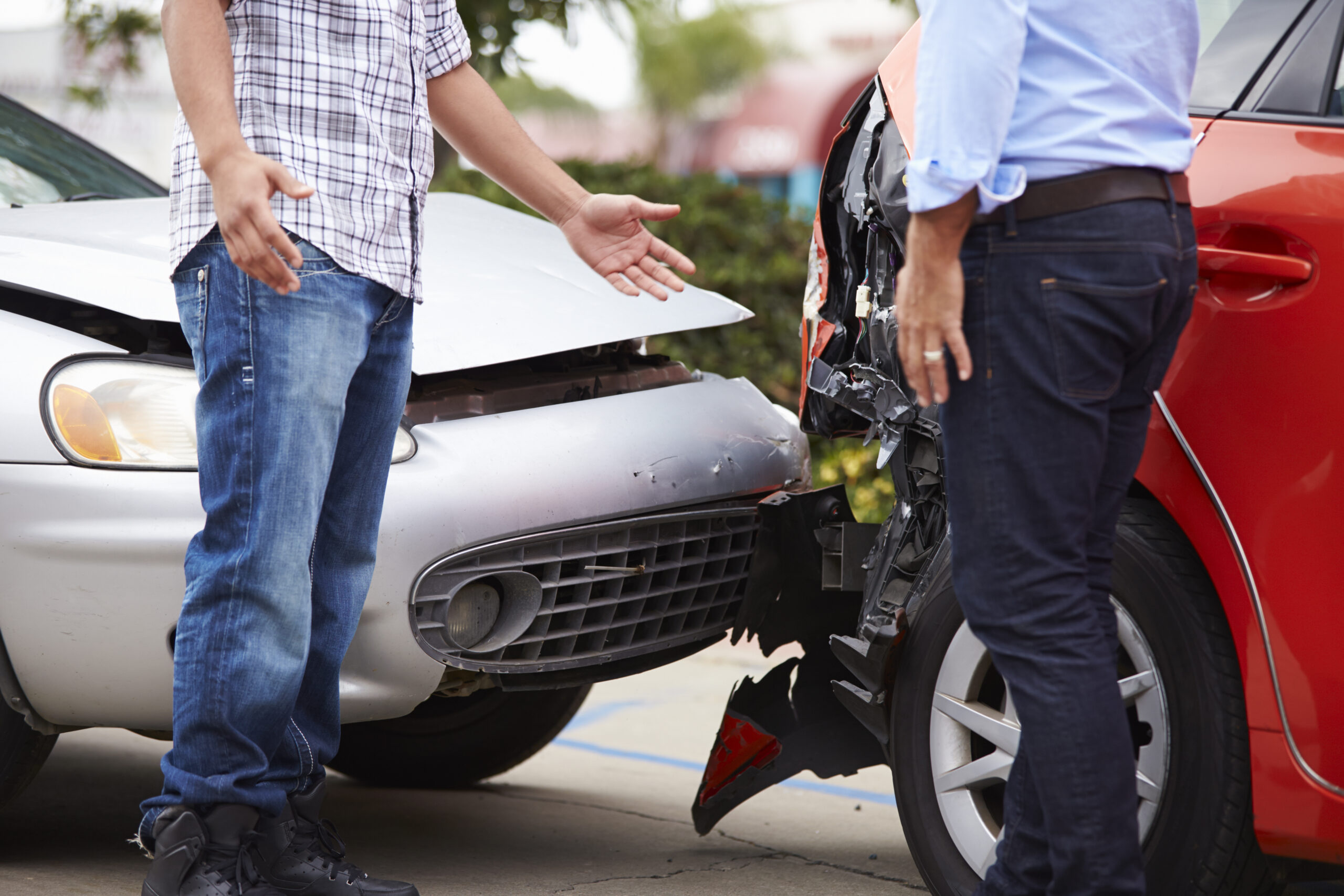
Visual evidence is often some of the most persuasive documentation available. Photos and videos can capture road conditions, vehicle damage, visible injuries, hazardous property conditions, and other important details before the scene changes.
Accident scenes often change quickly, so taking photographs as soon as possible matters. Images taken immediately after a crash or injury can help reconstruct events later and may contradict inaccurate statements made by the at-fault party.
Medical Records and Treatment Documentation
Medical records play a central role in proving negligence and demonstrating the seriousness of an injury. These records connect the accident directly to your physical condition and create an official timeline of treatment.
Emergency room records, physician notes, imaging results, prescriptions, and physical therapy documentation may all become important personal injury evidence. Seeking prompt medical treatment and following your doctor’s recommendations can also strengthen the credibility of your claim.
Witness Statements and Police Reports
Independent witnesses can support your version of events because they are not personally involved in the case. Their observations may help clarify how an accident occurred or confirm details that the other party disputes.
Police reports and incident reports can also provide valuable information. These reports often include contact information for the parties involved, road or weather conditions, statements made at the scene, and the responding officer’s observations. While a police report may not always determine fault on its own, it can still become an important part of a personal injury claim.
Employment Records and Financial Losses
Many accidents create financial pressure in addition to physical injuries. If you miss work because of your injuries, employment records and pay documentation may help establish lost income.
Medical bills, pharmacy receipts, rehabilitation costs, and other out-of-pocket expenses may also help demonstrate the financial impact of the accident. Keeping organized records can make it easier to show the full extent of your damages during a claim. In some cases, financial records may also help demonstrate how an injury affected your future earning ability or long-term financial stability.
Why Timing Matters When Gathering Evidence
Time can quickly affect the quality of accident evidence. Physical evidence may disappear, surveillance footage may be deleted, and witnesses may forget important details as time passes.
Acting quickly after an accident can help preserve important information before it is lost. Early documentation often creates a stronger foundation for proving negligence and supporting your claim.
Delays can also make it more difficult to connect your injuries directly to the accident itself. Insurance companies may question whether your injuries were caused by another event or whether they became worse because treatment was postponed. Early documentation often helps avoid these disputes.
How a Virginia Personal Injury Lawyer Can Help
Gathering records, preserving evidence, and communicating with insurance companies can become difficult while recovering from an injury. A Virginia personal injury lawyer may help collect documentation, identify important evidence, and take steps to preserve information that could otherwise disappear.
In some cases, attorneys may also work with investigators, medical professionals, or accident reconstruction experts to strengthen a claim. Having legal guidance can help ensure that important evidence is not overlooked during the process.
Taking the Next Step After an Accident
The steps you take after an accident can affect both your claim and your ability to recover compensation later. Preserving evidence early and understanding what documentation matters most can make the legal process less overwhelming.
Contact Strickland, Diviney & Segura at (540) 982-7787 to schedule a confidential consultation.