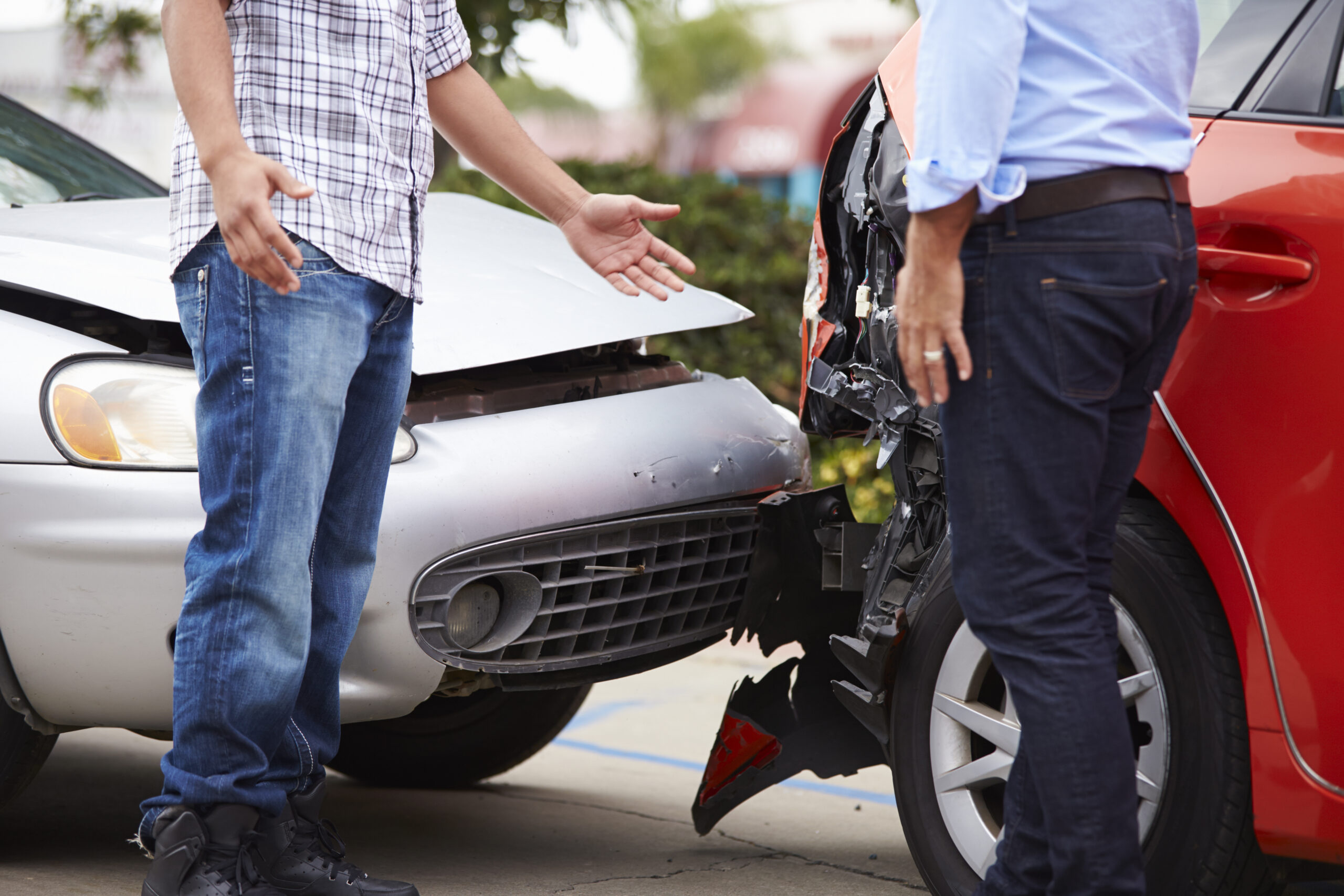



Holiday Travel Injuries: What to Do After an Accident in Rural Virginia
The holiday season brings families together, but it also brings increased traffic across Virginia’s roads. Between Thanksgiving and New Year’s Day, thousands of motorists travel long distances to visit loved ones, often navigating unfamiliar rural highways where conditions can change quickly. Heavy traffic, winter weather, and driver fatigue create a dangerous combination that leads to more motor vehicle accidents during this time of year than any other.
Rural roads present unique hazards. Unlike urban highways with ample lighting and nearby emergency services, Virginia’s countryside features narrow shoulders, sharp curves, limited visibility, and longer response times. When a crash occurs on a remote stretch of road during the holidays, the consequences can be severe—and knowing what to do in the immediate aftermath can make a significant difference in both your physical recovery and your ability to pursue fair compensation.
Strickland, Diviney, & Segura is a respected Roanoke personal injury law firm that has spent decades helping Virginians injured in motor vehicle accidents. Our attorneys understand the challenges that holiday travel injuries present, particularly when they occur far from home on roads where help may take longer to arrive. This blog will guide you through the essential steps to take after a holiday travel accident in rural Virginia and explain how our firm can protect your rights during what is often a confusing and overwhelming time.
Understanding the Risks of Holiday Travel in Rural Virginia
Holiday travel brings more vehicles onto Virginia’s roads, and with them comes a higher risk of accidents. Traffic volumes spike as families head to gatherings, shopping destinations, and vacation spots. Many drivers are unfamiliar with the routes they are traveling, leading to missed exits, sudden lane changes, and hesitation at intersections. Others may be distracted by passengers, navigation devices, or the stress of holiday schedules. Fatigue is common, especially for those who leave early in the morning or drive late into the night to maximize time with family.
Winter weather adds another layer of risk. Ice, fog, and rain can make rural roads treacherous, particularly in areas where maintenance crews may not have cleared or salted the pavement. Black ice forms without warning on shaded stretches of highway, and fog can reduce visibility to just a few feet in valleys and low-lying areas. Drivers accustomed to clear, dry conditions may not adjust their speed or following distance appropriately, leading to rear-end collisions and multi-vehicle pileups.
Rural roads themselves present dangers that urban highways do not. Many of these routes have narrow shoulders, limited lighting, and sharp curves that can catch drivers off guard. Wildlife crossings are more common in these areas, and a sudden swerve to avoid a deer can result in a single-vehicle crash or a head-on collision with oncoming traffic. Guardrails may be absent or damaged, and drop-offs along the roadside can be steep and unforgiving. Emergency response times are often longer in rural areas, meaning that injured individuals may wait longer for medical assistance to arrive.
Common types of accidents during the holidays include rear-end collisions caused by sudden stops in heavy traffic, single-vehicle crashes resulting from loss of control on icy or wet roads, truck accidents involving commercial vehicles transporting goods for the holiday season, and pedestrian incidents on poorly lit roads near shopping centers or rest stops. While rural areas may feel quieter and safer than busy city streets, they often present greater hazards for holiday travelers.
Immediate Steps to Take After a Holiday Travel Accident
The moments immediately following a car accident can be chaotic and disorienting, but taking the right steps can protect your health and preserve your legal rights. Your first priority should always be safety. If your vehicle is drivable and it is safe to do so, move it off the roadway to prevent additional collisions. Activate your hazard lights and, if you have them, place flares or reflective triangles behind your vehicle to alert other drivers. Call 911 immediately to report the accident and request medical assistance.
Check yourself and any passengers for injuries. Even if you feel fine, the adrenaline rush that follows a crash can mask pain and symptoms that will appear later. If anyone is seriously injured, do not attempt to move them unless there is an immediate danger such as fire or oncoming traffic. Wait for emergency responders to arrive and provide professional medical care. If the accident occurred on a remote rural road, be aware that help may take longer to reach you, so stay inside your vehicle if it is safe to do so and keep warm.
Documenting the scene is critical. Use your phone to take photographs of the vehicles involved, the surrounding roadway, road conditions, skid marks, debris, and any visible injuries. Capture the positions of the vehicles before they are moved if possible. Exchange insurance information, driver’s license numbers, and contact details with the other drivers involved. If there are witnesses, ask for their names and phone numbers. Their statements may become important evidence if there is a dispute about how the accident occurred.
Do not admit fault or discuss the details of the accident with anyone other than law enforcement and your attorney. Even a casual apology or statement such as “I did not see you” can be used against you later by insurance companies or opposing counsel. Virginia follows a strict contributory negligence rule, which means that if you are found even one percent at fault for the accident, you may be barred from recovering any compensation. Protecting yourself from liability starts with being careful about what you say at the scene.
Keep all documentation related to the accident. This includes the police report, medical records, repair estimates, and receipts for any expenses you incur as a result of the crash. Early and thorough documentation can be the foundation of a strong personal injury claim and will help your attorney build a case that accurately reflects the harm you have suffered.
Seeking Medical Attention and Documenting Injuries
Even if you do not believe you were seriously injured, it is essential to seek medical attention as soon as possible after a holiday travel accident. Some injuries, such as whiplash, concussions, and internal bleeding, may not produce immediate symptoms. You may feel sore or shaken but otherwise okay, only to experience severe pain, headaches, or dizziness hours or days later. Delaying medical care can allow injuries to worsen and can also give insurance companies a reason to argue that your injuries were not caused by the accident.
When you visit a doctor or emergency room, be honest and thorough about your symptoms. Describe any pain, discomfort, or changes in your physical or mental state. Follow all medical advice, attend all follow-up appointments, and complete any prescribed treatments or therapies. If your doctor refers you to a specialist, make that appointment promptly. Gaps in treatment or failure to follow medical recommendations can be used by insurance adjusters to argue that your injuries were not serious or that you did not take reasonable steps to recover.
Keep detailed records of all medical care you receive. This includes doctor’s notes, diagnostic test results, prescriptions, physical therapy sessions, and any medical equipment or devices you need. Document your out-of-pocket costs, including co-pays, prescription costs, and mileage to and from medical appointments. These records will serve as evidence of the extent of your injuries and the financial impact they have had on your life.
Consistent medical documentation strengthens your personal injury claim by linking your injuries directly to the accident. It also demonstrates that you took your recovery seriously and followed the advice of medical professionals. In Virginia, proving the full extent of your injuries is essential to recovering fair compensation for medical expenses, lost income, and pain and suffering.
Understanding Your Legal Rights in Virginia
After a car accident, you may be entitled to compensation for the harm you have suffered, but pursuing that compensation requires a clear understanding of Virginia personal injury law. At the heart of most motor vehicle accident claims is the concept of negligence. To recover damages, you must prove that another driver or party acted negligently and that their negligence caused your injuries. Negligence can take many forms, including speeding, distracted driving, failing to yield, driving under the influence, or failing to maintain control of a vehicle in poor weather conditions.
Virginia follows a strict contributory negligence rule, which is one of the harshest standards in the country. Under this rule, if you are found to be even one percent at fault for the accident, you are barred from recovering any compensation from other parties. This makes it critical to establish that the other driver was entirely responsible for the crash and that you took all reasonable precautions to avoid it. Insurance companies are aware of this rule and will often try to shift even partial blame onto the injured party to avoid paying a claim.
Filing a personal injury claim in Virginia is subject to a statute of limitations, which sets a deadline for bringing a lawsuit. In most cases, you have two years from the date of the accident to file a claim in court. If you miss this deadline, you lose your right to pursue compensation, no matter how strong your case may be. This is why it is important to consult with a car accident lawyer in Roanoke VA as soon as possible after a holiday travel injury.
If your claim is successful, you may be entitled to recover several types of damages. Economic damages include medical expenses, both past and future, as well as lost wages if your injuries prevented you from working. Property damage, such as the cost of repairing or replacing your vehicle, is also recoverable. Non-economic damages compensate you for pain and suffering, emotional distress, and loss of enjoyment of life. In cases involving severe injuries or permanent disability, these damages can be substantial.
Proving fault, documenting losses, and negotiating with insurance companies can be complex, especially after a serious rural accident during the busy holiday season. Insurers often try to minimize payouts by questioning the severity of injuries, disputing liability, or pressuring claimants to accept low settlement offers before they fully understand the extent of their damages. Having an experienced personal injury attorney on your side levels the playing field and ensures that your rights are protected.
How Strickland, Diviney & Segura Helps After a Holiday Travel Accident
Working with a local Roanoke car accident lawyer can make a significant difference in the outcome of your case. At Strickland, Diviney & Segura we assist clients from the very beginning of the legal process. We conduct detailed investigations into the circumstances of the accident, preserving critical evidence such as police reports, witness statements, photographs, and video footage. We work with accident reconstruction experts when necessary to establish exactly how the crash occurred and who was at fault.
We communicate directly with insurance companies on behalf of our clients, preventing them from being pressured into accepting unfair settlements. Insurers often contact accident victims shortly after a crash and offer quick payouts that seem generous but fall far short of covering long-term medical expenses, lost income, and other damages. Our attorneys review all settlement offers carefully and advise clients on whether an offer is fair or whether further negotiation or litigation is necessary.
Strickland, Diviney & Segura has extensive experience handling rural and highway accidents across Virginia, particularly during high-traffic holiday periods when the risk of serious injury is greatest. We understand the unique challenges these cases present, from delayed emergency response times to the difficulty of gathering evidence on remote roads. Our firm has built a strong reputation in Roanoke and surrounding communities for protecting the rights of injured Virginians with professionalism, integrity, and a commitment to results.
Every client receives individual attention and honest legal advice. We take the time to listen to your story, answer your questions, and explain your options in clear, straightforward terms. Our goal is not just to secure compensation, but to help you move forward with confidence and peace of mind. Whether your case is resolved through a negotiated settlement or requires trial, you can trust that our attorneys will advocate tirelessly on your behalf.
Holiday Driving Safety Tips for Virginia Roads
While knowing what to do after an accident is important, preventing one in the first place is even better. Holiday travel can be stressful, but taking a few precautions can reduce your risk of being involved in a crash on rural Virginia roads. Plan your route in advance and check weather forecasts before you leave. If severe weather is expected, consider delaying your trip or choosing an alternate route that avoids the worst conditions.
Allow extra travel time so you do not feel rushed. Speeding is a leading cause of accidents, and the pressure to arrive on time can lead to dangerous decisions such as tailgating, aggressive passing, or running red lights. Leaving early gives you the flexibility to slow down when conditions require it and to take breaks if you start to feel tired.
Slow down on rural roads, especially at night or in poor weather. These roads often have sharp curves, uneven surfaces, and limited visibility, making it difficult to react to hazards. Avoid distractions such as phones, navigation devices, and conversations with passengers that take your focus away from the road. Keep your headlights clean and properly aimed to improve visibility, and use fog lights if your vehicle is equipped with them.
Rest before long trips and share driving responsibilities if possible. Fatigue impairs reaction time and judgment just as much as alcohol, and falling asleep at the wheel can have catastrophic consequences. Never operate a vehicle under the influence of alcohol or medication that causes drowsiness or impairs your ability to drive safely.
Carry an emergency kit in your vehicle that includes blankets, flashlights, jumper cables, water, non-perishable snacks, a first aid kit, and a phone charger. If you become stranded on a rural road during winter weather, these supplies can keep you safe and comfortable until help arrives. Preparation and caution can reduce the risk of accidents and keep families safe during the holidays.
Protect Your Rights After a Holiday Travel Injury
Knowing what to do after a holiday travel injury in rural Virginia can protect both your health and your financial future. Seeking prompt medical care, documenting the scene, and consulting with an experienced personal injury attorney Virginia are critical steps that can make the difference between a fair recovery and being left with bills you cannot afford and injuries that affect your quality of life for years to come.
At Strickland, Diviney & Segura, we are committed to guiding clients through the aftermath of an accident with experience, compassion, and results-driven advocacy. We understand the challenges that holiday travel injuries present, and we have the knowledge and resources to hold negligent parties accountable and pursue the compensation you deserve.
If you or a loved one has been injured in a holiday travel accident, do not wait to take action. Schedule a confidential consultation with Strickland, Diviney, & Segura by calling (540) 982-7787 today. Let our firm put decades of experience to work for you and help you move forward with confidence.