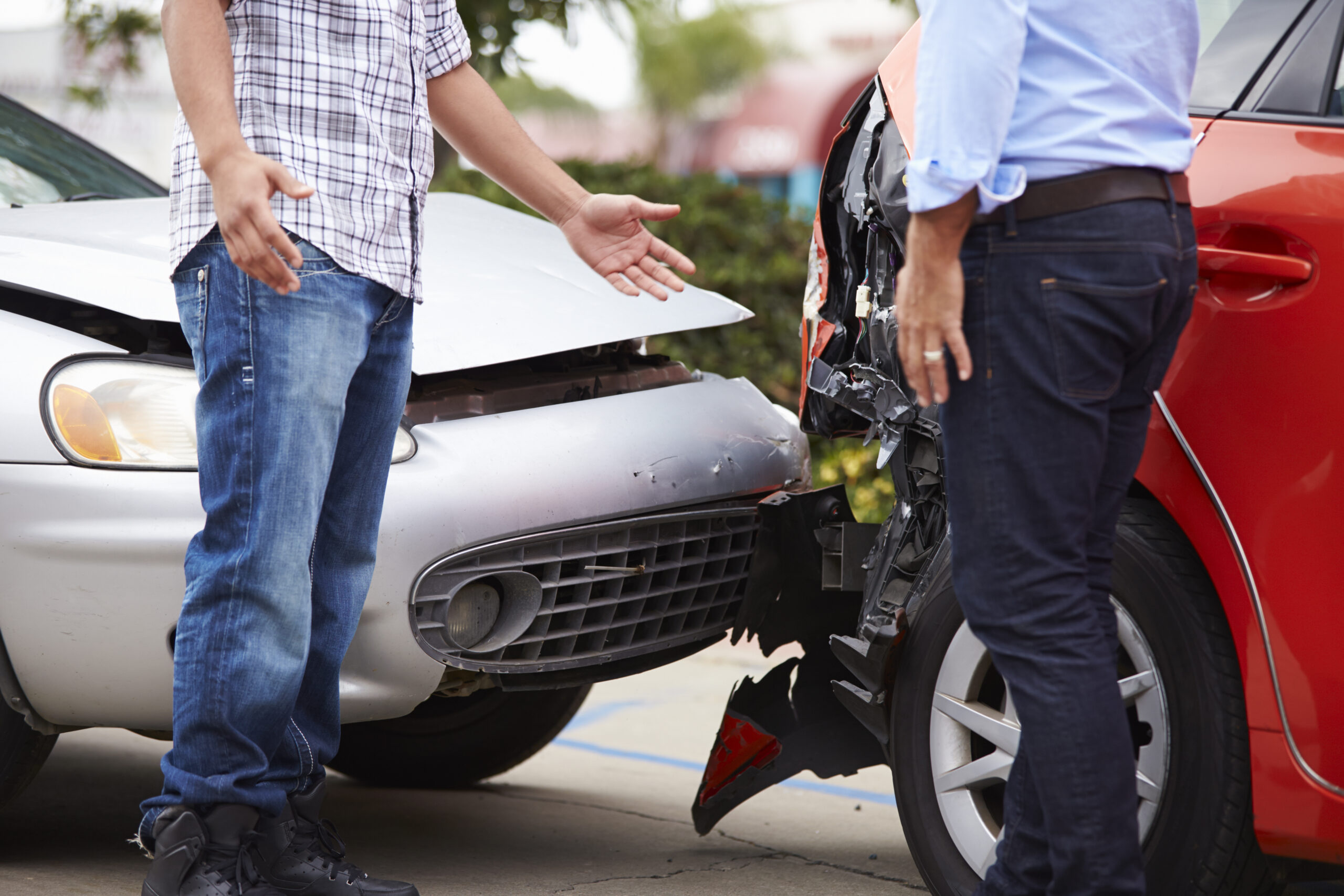



Winter Car Accidents in Virginia: How Weather Conditions Affect Fault and Insurance Claims
Virginia winters bring unpredictable conditions that transform familiar roads into hazardous environments. A sudden drop in temperature can turn a wet highway into a sheet of black ice, while a heavy snowfall can obscure lane markers and traffic signs. When these conditions lead to collisions, drivers often face significant confusion regarding legal responsibility. A common misconception persists that severe weather absolves a driver of fault, as though the ice or snow itself is to blame for the crash. However, Virginia law maintains strict standards for operating a vehicle, requiring motorists to adjust their driving behavior to match the current conditions. Understanding how liability is determined after winter-related crashes is essential for protecting your rights and navigating the complexities of insurance claims.
Why Winter Weather Increases the Risk of Car Accidents
The correlation between winter weather and increased accident rates is well-documented. Precipitation in the form of snow, sleet, or freezing rain significantly reduces the friction between tires and the road surface. This loss of traction extends stopping distances, often requiring three to ten times more space to bring a vehicle to a halt than on dry pavement. Drivers who fail to account for this physical reality often find themselves unable to stop in time to avoid a rear-end collision or sliding through an intersection.
Visibility is another critical factor contributing to winter car accidents. Heavy snowfall, blowing snow, and fog can obscure a driver’s view of the road, other vehicles, and potential hazards. Furthermore, the accumulation of ice on windshields and mirrors can create blind spots if not properly cleared before driving. When visibility is compromised, reaction times suffer. A driver may not perceive a stopped vehicle or a curve in the road until it is too late to react safely.
Black ice represents perhaps the most deceptive winter hazard. Often appearing as nothing more than a wet patch on the asphalt, black ice forms when moisture freezes on the road surface, particularly on bridges, overpasses, and shaded areas. Drivers hitting black ice can lose control instantaneously, leading to spin-outs and multi-vehicle pileups. While these conditions are undeniably dangerous, they are also foreseeable during a typical Virginia winter. The law expects drivers to anticipate these risks and exercise heightened caution when winter car accidents in Virginia are a possibility.
How Fault Is Determined in Winter Car Accidents
Determining fault in winter car accidents follows the same fundamental legal principles as accidents occurring in fair weather, but the application of these principles accounts for the environmental context. The core legal concept is negligence. A driver is negligent if they fail to exercise the level of care that a reasonably prudent person would exercise under similar circumstances. In the context of winter driving, “reasonable care” requires significantly more caution than driving on a clear, dry summer day.
Weather conditions are considered a factual circumstance of the accident, not an automatic defense. If a driver loses control on an icy patch and strikes another vehicle, the law does not simply attribute the accident to the ice. Instead, the inquiry focuses on whether the driver was operating the vehicle safely given the presence of ice. Questions arise regarding whether the driver was traveling at a speed appropriate for the conditions, whether they maintained a safe following distance, and whether their vehicle was properly equipped for winter driving.
Strickland, Diviney & Segura frequently encounters cases where a driver claims the weather made the accident unavoidable. However, unavoidable accidents are rare. In most instances, the loss of control stems from a failure to adapt to the weather. If a reasonably prudent driver could have maintained control by driving slower or braking earlier, the driver who failed to do so is likely liable. Fault determination relies on establishing that the driver’s actions, or inaction, were the proximate cause of the collision, regardless of the presence of snow or ice on the roadway.
The Role of Driver Negligence in Winter Weather Crashes
Negligence in winter weather crashes often manifests as a failure to modify driving habits. Speed limits posted on Virginia highways are set for ideal conditions. Driving at the posted limit during a snowstorm or on icy roads is often legally considered negligent behavior. Virginia law recognizes the concept of “driving too fast for conditions,” which is a distinct violation from exceeding the statutory speed limit. If a driver is traveling 45 miles per hour in a 55-mile-per-hour zone, but the road is covered in packed snow, that speed may still be considered reckless and negligent.
Following too closely, or tailgating, is another common form of negligence in winter car accidents. Because stopping distances are vastly increased on slippery surfaces, the standard following distance must be extended. A driver who maintains a normal dry-weather gap behind another vehicle on an icy road is likely failing to exercise reasonable care. If the lead vehicle brakes and the following driver slides into them, the following driver is almost invariably at fault for failing to maintain a safe distance appropriate for the weather conditions.
Failure to maintain the vehicle is another aspect of negligence. Driving with worn tires that lack sufficient tread depth is dangerous on wet or icy roads. Similarly, driving with malfunctioning windshield wipers, defrosters, or headlights impairs visibility and increases the risk of a crash. If an investigation reveals that a driver’s poor vehicle maintenance contributed to the loss of control or lack of visibility, that driver may be held liable for the resulting damages. These factors demonstrate that winter car accident fault is rarely about the weather alone, but rather how the driver responded to those conditions.
Why Poor Road Conditions Do Not Automatically Shift Liability
A pervasive myth regarding winter driving is that hitting a patch of ice constitutes an “Act of God” or an unavoidable emergency that absolves the driver of liability. While the sudden emergency doctrine exists in law, it is strictly applied and rarely successful in winter car accident insurance claims. The courts generally hold that ice, snow, and slippery roads are foreseeable hazards during winter months in Virginia. Drivers are expected to know that bridges freeze before roadways and that shaded areas may harbor ice.
Insurance companies and courts analyze whether the driver should have anticipated the hazardous conditions. If weather reports predicted snow or if the temperature was below freezing, the presence of ice is not considered an unexpected emergency. Therefore, losing control due to known or foreseeable road conditions does not shift liability away from the driver. The argument that “the road was slippery” is often an admission that the driver failed to negotiate known hazards safely.
There are rare exceptions where a truly unforeseeable event occurs, such as a sudden, localized geological event or a defect in the road unrelated to weather that was impossible to detect. However, general winter road conditions do not qualify. Liability remains with the driver because they are the entity in control of the vehicle. The duty to maintain control is absolute, and failing to do so because of poor road conditions is typically viewed as a failure of that duty. Strickland, Diviney & Segura emphasizes that victims of winter car accidents should not accept an insurance adjuster’s denial based on the claim that the weather was the sole culprit.
How Virginia’s Contributory Negligence Rule Impacts Winter Accident Claims
Virginia is one of the few states that adheres to the strict legal doctrine of contributory negligence. This rule can have a profound impact on winter car accident insurance claims. Under contributory negligence, if an injured plaintiff is found to be even one percent at fault for the accident and that fault was a cause of their injuries, they are completely barred from recovering compensation from the other driver.
In the context of winter driving, contributory negligence defenses are frequently utilized by insurance companies to deny claims. For example, if you are struck by a driver who slid through a red light on ice, the opposing insurance company may investigate your actions leading up to the crash. If they can argue that you were driving slightly too fast for the conditions, or that you could have taken evasive action but failed to do so, they may attempt to argue that you contributed to the accident.
The defense might argue that you did not have your headlights on during a period of reduced visibility, or that your own tires were bald. Even if the other driver was primarily responsible for the collision, any evidence suggesting you failed to exercise reasonable care for your own safety in the winter conditions could jeopardize your entire claim. This makes the precise determination of fault and the gathering of evidence critical. Navigating the contributory negligence rule requires a thorough understanding of Virginia law and a strategic approach to establishing that the other driver was solely responsible for the winter car accident.
Common Insurance Challenges After Winter Car Accidents
Following winter car accidents in Virginia, victims often face aggressive resistance from insurance carriers, particularly when fault is disputed. Insurance adjusters are trained to minimize payouts, and winter weather provides them with several avenues to dispute claims. A primary challenge is the denial of liability based on the “sudden emergency” defense mentioned previously. Adjusters may write letters stating that their insured driver lost control due to black ice and therefore was not negligent. Without legal representation to counter this argument, many victims accept this denial and forgo the compensation they deserve. Strickland, Diviney & Segura regularly represents individuals injured in winter car accidents in Virginia where insurers attempt to deny liability based on road or weather conditions.
Another common challenge involves disputes over the extent of damages. In low-speed collisions caused by sliding on ice, there may be minimal visible damage to the vehicle’s exterior. However, the occupants can still suffer significant soft tissue injuries, whiplash, or concussions. Insurance companies frequently argue that the low impact speed correlates with a lack of injury, minimizing the value of the medical claim.
Furthermore, comparative analysis of vehicle damage can be complicated by the mechanics of sliding collisions. Vehicles may strike at unusual angles or experience secondary impacts after spinning out. This can lead to complex arguments regarding which impact caused specific injuries or vehicle damage. Insurance companies may also delay processing claims by citing the high volume of accidents that occur during winter storms, leaving victims waiting for necessary vehicle repairs or medical coverage. Strickland, Diviney & Segura understands the tactics used by insurers to leverage weather conditions as a tool for claim suppression.
Evidence That Matters in Winter Car Accident Insurance Claims
Building a strong case for compensation after a winter car accident requires compelling evidence to establish the other driver’s negligence and refute any allegations of contributory negligence. The official police crash report is a foundational piece of evidence. Law enforcement officers document the road conditions, weather, and any citations issued at the scene. A citation for “failure to maintain control” or “driving too fast for conditions” serves as strong evidence of the other driver’s negligence.
Photographs taken at the scene are invaluable. Images should capture the position of the vehicles, the damage sustained, and, crucially, the road conditions. Photos of skid marks, ice patches, snow accumulation, and traffic signage provide context that can be analyzed by accident reconstruction experts. If skid marks show that a driver braked too late or was traveling at a high speed, this physical evidence can dismantle defenses regarding unavoidable accidents.
Historical weather data is another critical component. Weather reports can establish what the temperature and precipitation levels were at the exact time of the crash. This data helps prove that the conditions were foreseeable and that a reasonable driver should have been aware of the risks. Additionally, witness statements can provide an impartial account of the accident. Witnesses can testify to the speed of the other vehicle or erratic driving behavior prior to the crash. In cases involving commercial vehicles or modern passenger cars, electronic data recorders (black boxes) can provide definitive data on speed, braking, and steering inputs in the moments before impact.
When Legal Guidance Becomes Critical After a Winter Car Accident
Navigating the aftermath of a collision is difficult under any circumstances, but legal guidance becomes particularly critical when winter car accidents involve disputed liability. If the other driver’s insurance company denies responsibility by blaming the weather, it is essential to have legal counsel to challenge that assertion. A personal injury attorney can interpret the nuances of Virginia law and demonstrate how the driver failed to meet the standard of reasonable care.
Legal representation is also vital when injuries are severe. The long-term costs of medical care, lost wages, and pain and suffering must be accurately calculated to ensure a settlement covers all future needs. Insurance companies often offer quick, low settlements to unrepresented victims, hoping to close the claim before the full extent of the injuries is realized. An attorney helps protect the victim from accepting an inadequate settlement offer.
Furthermore, the threat of a contributory negligence defense warrants immediate legal attention. If there is any suggestion that you were partially at fault, an attorney can conduct an independent investigation to gather evidence protecting your right to recovery. Managing communications with insurance adjusters is a key function of legal counsel, ensuring that no statements are made that could be twisted to imply fault. Strickland, Diviney & Segura provides the necessary advocacy to level the playing field against large insurance corporations.
Protecting Your Rights After a Winter Car Accident in Virginia
Winter car accidents in Virginia present unique legal and insurance challenges that require careful navigation. While the weather contributes to the hazardous conditions, it does not excuse drivers from their duty to operate vehicles safely. Liability remains tethered to the concept of negligence, and drivers who fail to adapt to snow and ice are responsible for the harm they cause. The complexities of Virginia’s contributory negligence rule and the aggressive defense tactics of insurance companies make it imperative for accident victims to understand their rights and the legal landscape. Securing fair compensation requires establishing clear fault, gathering strong evidence, and rejecting the notion that winter weather renders an accident unavoidable.
Schedule a confidential consultation with Strickland, Diviney & Segura by calling (540) 982-7787 to discuss your winter car accident and insurance claim. Insurance companies move quickly to shift blame after winter crashes, and having experienced legal representation early can protect your right to compensation.