

The 4 Biggest Risks Drivers Face on Icy Rural Roads in Southwest Virginia
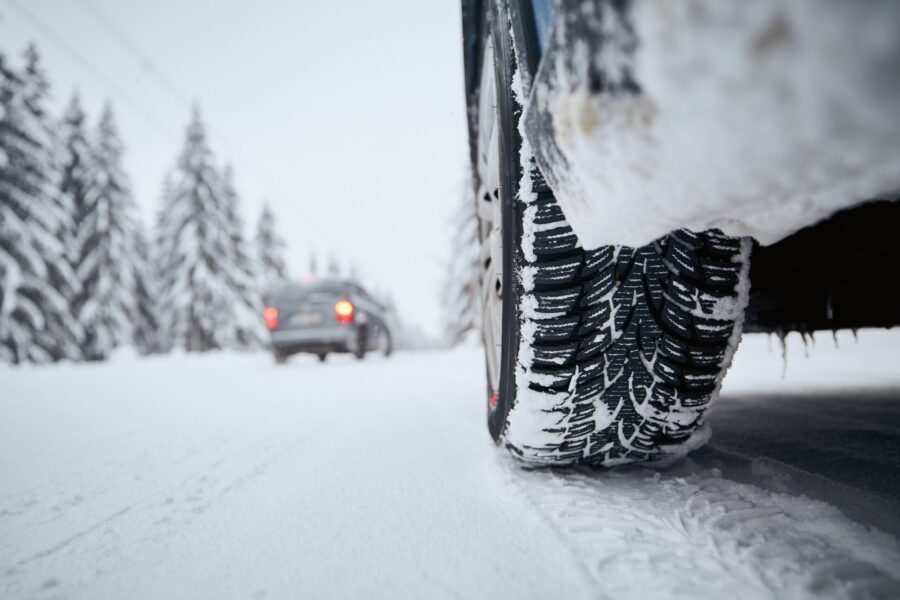
Winter weather can make driving in our region unpredictable, especially on back roads where conditions change quickly. We know that icy rural road accidents are a serious concern for many families in Southwest Virginia as temperatures drop and winter weather sets in. Snow, freezing rain, and sudden temperature changes can turn familiar roads into slick, unforgiving surfaces. Understanding the most common winter driving hazards on rural roads can help you make safer decisions behind the wheel, and our team is here to help explain what that means for drivers.
Why Icy Rural Roads Are Especially Dangerous in Southwest Virginia
Driving through the mountains and valleys of our area requires extra caution during the colder months. Unlike major highways, which are often treated and cleared quickly, rural routes may remain icy for days after a storm. Steep hills, sharp curves, and narrow lanes create conditions where rural road car accidents are more likely to occur.
Southwest Virginia winter accidents also happen because conditions can change quickly. A road that appears clear in direct sunlight may conceal dangerous ice in shaded areas, particularly along wooded stretches. Elevation changes can further complicate matters, as rain at lower elevations may turn into snow or ice at higher altitudes.
Risk One: Black Ice on Curves, Hills, and Shaded Roadways
One of the most deceptive winter driving hazards is black ice. This thin, transparent layer of ice blends in with the pavement and is often impossible to detect until a vehicle begins to slide. On rural roads, trees and terrain frequently block sunlight, allowing black ice to persist on curves and hills even when nearby areas appear dry.
When a vehicle encounters black ice, control can be lost almost instantly. Drivers may skid, spin, or leave the roadway entirely, striking trees, embankments, or other vehicles. Although weather plays a role in these crashes, drivers are still expected to adjust their speed and driving behavior to match road conditions.
Risk Two: Narrow Roads and Lack of Shoulders Leave Little Room for Error
Many rural roads in our region were not designed with wide shoulders or modern safety features. On a highway, a driver who loses traction may have room to recover. On a rural road, there is often nowhere to go. A brief slide can quickly lead to a vehicle entering a ditch, crossing the center line, or colliding head-on with another car.
These conditions make crashes more likely and often lead to more serious consequences when they occur. When drivers drift across narrow lanes during winter weather, the consequences can be severe, particularly when oncoming traffic has limited time or space to react.
Risk Three: Limited Visibility and Slower Emergency Response Times
Winter storms in the mountains often bring fog, snow, and heavy precipitation that reduce visibility. On back roads with little or no street lighting, darkness adds another layer of danger. Drivers may not see ice, debris, or stopped vehicles until it is too late to stop safely. These visibility challenges are a major factor in many winter driving hazards.
When rural road car accidents occur in remote areas, emergency response times may also be longer. Difficult road conditions and distance can delay help, increasing stress and risk for injured drivers and passengers.
Risk Four: Driver Assumptions About Fault in Winter Conditions
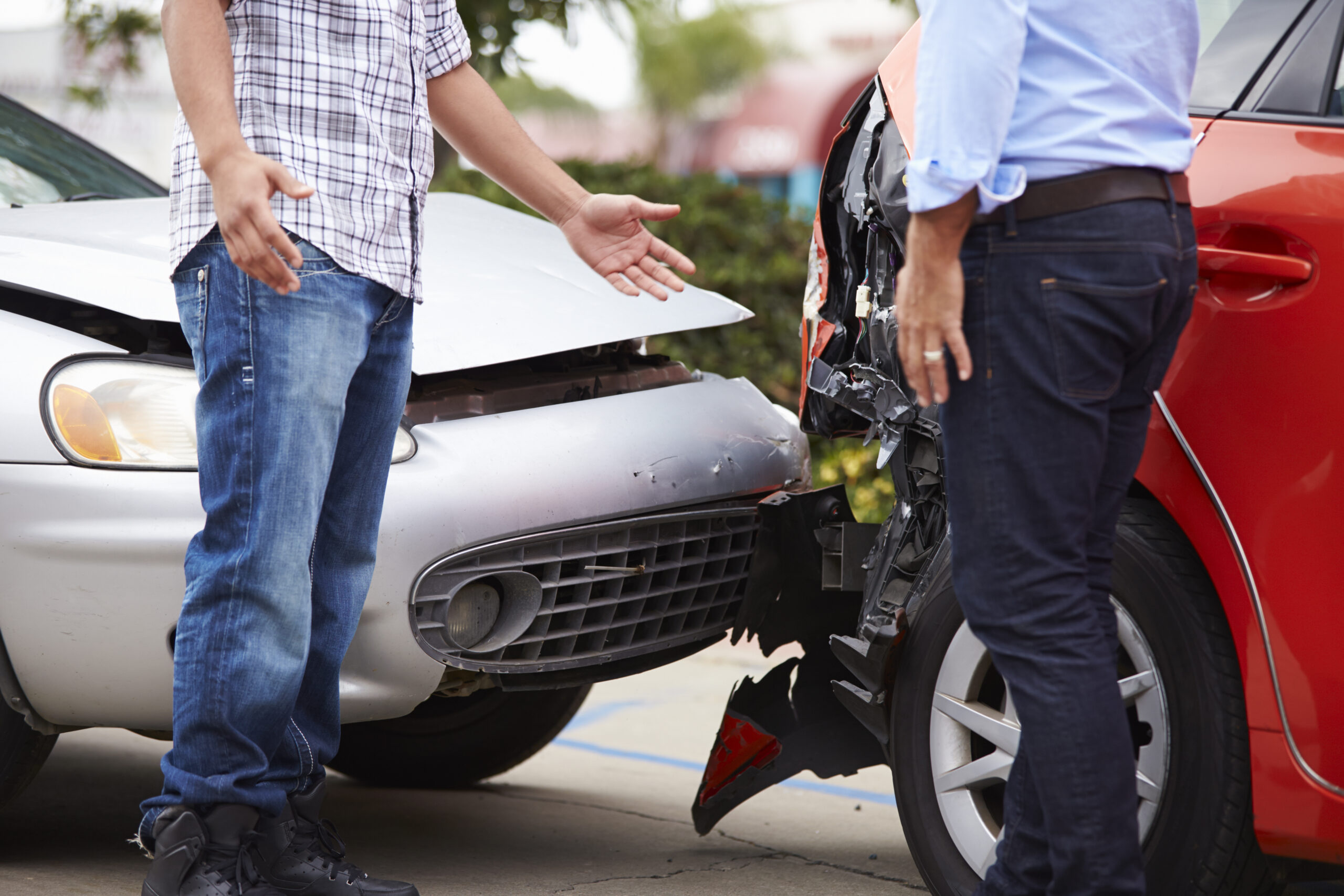
Many drivers assume that if a crash happens on ice, no one is truly at fault. This is a common misconception. In reality, icy road accident liability often depends on whether a driver took reasonable precautions given the conditions.
Driving at the posted speed limit does not always mean driving safely during winter weather. If a driver fails to slow down, increase following distance, or adjust for known hazards, they may still be held responsible for a crash, even when ice is present.
How Fault Is Evaluated After an Icy Rural Road Accident
Responsibility after an icy rural road accident depends on what was happening before and during the crash, not just the presence of ice. Insurance companies and legal professionals look at factors such as vehicle speed, driver behavior, road conditions, and whether the driver maintained proper control of the vehicle.
The key issue is whether the driver adjusted their behavior to match the winter driving conditions. Ice alone does not excuse unsafe driving behavior, particularly when conditions were foreseeable.
When It May Be Time to Seek Legal Guidance After a Winter Crash
The aftermath of a collision can feel overwhelming, especially when injuries and vehicle damage are involved. In many Southwest Virginia winter accidents, insurance companies may attempt to minimize claims by focusing solely on weather conditions.
We believe you deserve clear information about your rights and options. If fault is disputed or you are unsure how to move forward after a crash involving icy road accident liability, seeking guidance can help you understand the path ahead.
If you have questions about a recent accident or need assistance navigating a claim, we invite you to reach out to us. We are committed to providing honest, transparent guidance to our community and helping you understand your options. Schedule a confidential consultation with Strickland, Diviney & Segura by calling (540) 982-7787.