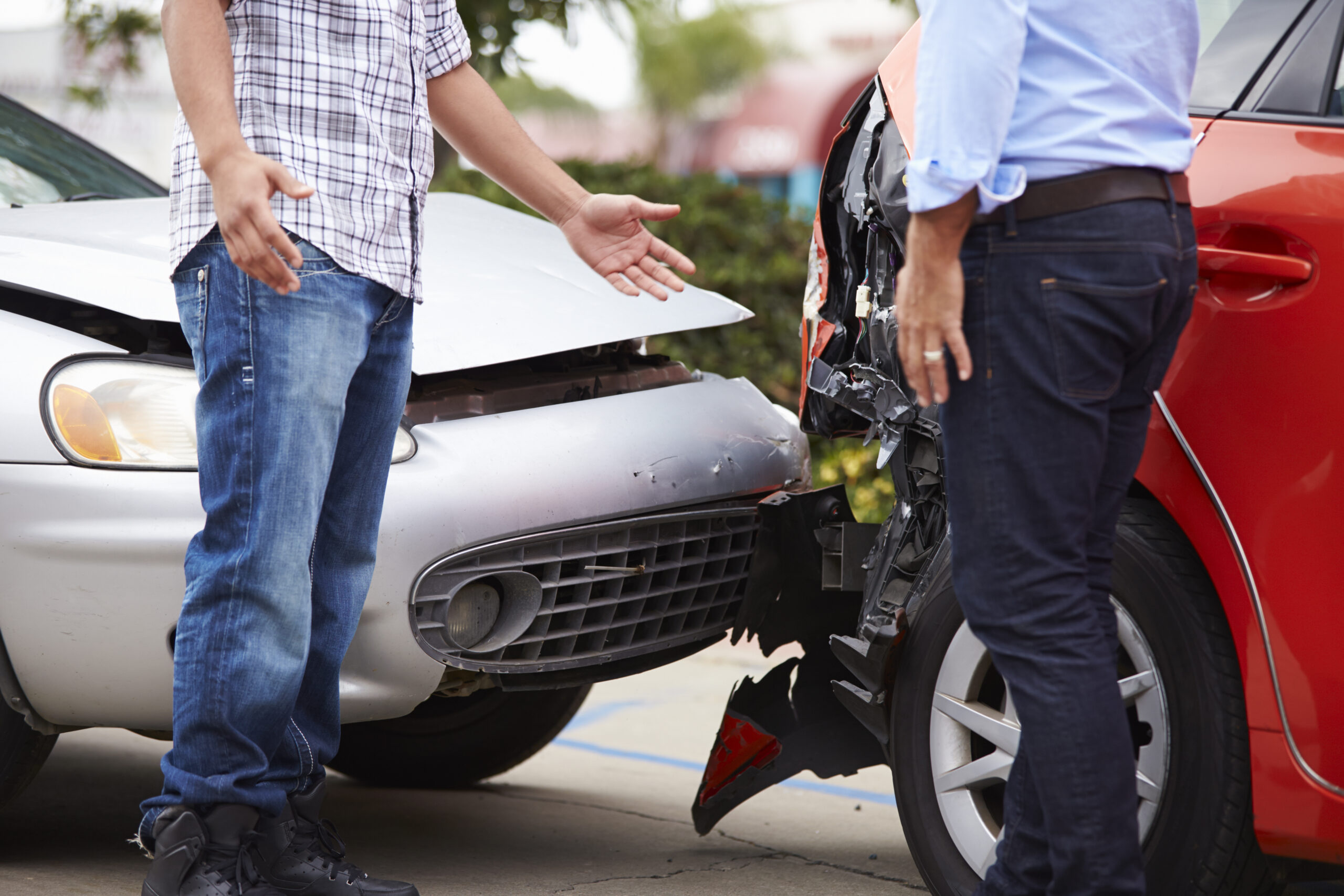



Memorial Day Weekend Accidents in Virginia: What Affects Injury Claims After Holiday Crashes
The start of summer brings millions of drivers to the roads, directly leading to a sharp increase in Memorial Day accidents. Across Virginia, families traveling for the long weekend face risks that complicate the aftermath of a crash. Understanding what affects injury claims after a holiday crash can make a real difference in how you move forward.
Why Memorial Day Weekend Accidents Are Different
Holiday traffic accidents present different challenges than everyday commuting collisions. The volume of vehicles on the road creates a congested environment. Many travelers are unfamiliar with local traffic patterns. This lack of familiarity causes erratic lane changes, sudden braking, and severe rear-end collisions.
Furthermore, long holiday weekends see a dramatic rise in drunk driving and extreme physical fatigue. Drivers push themselves to reach their destinations late at night rather than stopping to rest. These factors change how a Virginia personal injury claim is built and defended. We look closely at the behavior of the at-fault driver to understand what happened.
How Holiday Traffic Conditions Influence Liability
Determining fault requires investigating accident liability factors, especially when handling personal injury claims. Heavy holiday traffic forces vehicles to travel closely together at high speeds. When a sudden stop occurs, multiple cars collide in a devastating chain reaction. Blame in these massive multi-vehicle crashes is divided among several different drivers. Insurance companies heavily scrutinize these complex events to shift responsibility away from their own policyholders. These accident liability factors can affect injury claims after a car accident, especially during peak travel periods.
Virginia follows strict rules regarding contributory negligence. If a victim is found to be even slightly responsible for the collision, they are barred from recovering any financial compensation. Weather conditions also play a role during the spring travel season. Sudden rainstorms reduce visibility and create slick pavement. A driver traveling the posted speed limit is still legally negligent if that speed is unsafe for the wet road conditions.
What Evidence Matters After a Holiday Crash
Building strong injury claims after a car accident requires solid proof. The moments after a collision provide the most important evidence. Police reports outline the preliminary findings of the responding officers and note any traffic citations issued to the negligent driver. Photographs of the vehicle damage, the road conditions, and the surrounding traffic signs capture the scene permanently before it is cleared away by tow trucks.
Witness statements are equally critical to your success. Bystanders and other motorists provide an independent account of how the crash actually occurred. Because tourists and out-of-state visitors leave the area quickly after a holiday, securing their contact information immediately at the scene is essential. Modern vehicles are also frequently equipped with dashboard cameras. This video footage can show exactly what happened.
How Insurance Companies Evaluate Injury Claims
Insurance adjusters view holiday traffic accidents with a focus on reducing risk and limiting payouts. They look for reasons to deny compensation or reduce the value of a settlement. Adjusters review all medical records to confirm that the physical injuries were a direct result of the crash and not a pre-existing condition.
They also search carefully for gaps in medical treatment. If a victim delays seeking a doctor because they are away from home on a holiday weekend, the insurance company uses that natural delay against them. Adjusters frequently call victims within days of the collision to ask for a recorded statement. They phrase questions deliberately to trap the victim into downplaying their pain. We make sure the insurance company sees the full picture of your physical and emotional suffering.
Steps to Take After a Memorial Day Accident
Your health and safety are the top priorities after any collision. Move out of the active flow of traffic if possible and wait for emergency medical responders to arrive. Request a police officer to the scene so an official report is generated for your records. Seek medical attention immediately at a hospital or urgent care clinic, even if your injuries feel minor at the time. The massive adrenaline rush of a crash masks the severe pain of whiplash and internal trauma.
Do not discuss fault with the other driver or their insurance representatives. Simple, polite apologies are routinely twisted into formal admissions of legal guilt. Emergency room doctors stabilize patients and address life-threatening conditions. Following up with a primary care physician or a specialist is required to accurately document the long-term impact of the injuries. We advise our clients to let us handle all communication with the insurance adjusters so they can focus entirely on healing.
Protecting Your Right to Compensation
Securing a fair outcome for a Virginia personal injury claim takes time. The legal process is complex and full of aggressive insurance defense strategies. The law provides a limited window of time to file a lawsuit against the negligent driver, and waiting too long eliminates the opportunity to seek justice entirely.
We are dedicated to providing clear, sincere, and patient legal guidance for your family. Understanding accident liability factors is the first step. We stand by your side to make sure your questions are answered and your rights are protected.
Schedule a confidential consultation with Strickland, Diviny & Segura by calling (540) 982-7787 today. We are here to listen, explain your options, and help you move forward.